Gyeonggi Province Expands Regional Emergency Medical Centers to 36 Facilities
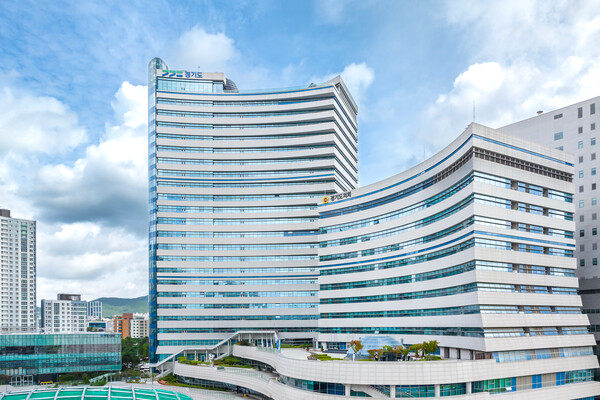
Gyeonggi Province has expanded the designation of regional emergency medical centers and strengthened the province's emergency medical system in conjunction with the Ministry of Health and Welfare's additional designation of regional emergency medical centers. The province plans to continuously expand the response system in essential emergency medical fields such as pediatric emergency care and high-risk deliveries.
According to the "Emergency Medical Services Act," regional emergency medical centers serve as core emergency medical institutions responsible for final treatment of severe emergency patients and are designated by the Minister of Health and Welfare. Regional emergency medical centers are responsible for treating moderate emergency patients and providing initial reception and emergency care to severe emergency patients within the region, and are designated by city and provincial governors.
Following the Ministry of Health and Welfare's additional designation of regional emergency medical centers last month, which increased the number of such centers in the province from 9 to 10 facilities, Gyeonggi Province finalized the designation of 36 regional emergency medical centers on August 28 after deliberation by the Gyeonggi Province Emergency Medical Committee. This represents an increase of 3 facilities from the previous 33, with the designation period set for 3 years from November 1, 2026 to October 31, 2029.
Along with the expansion of emergency medical institutions, Gyeonggi Province is continuously strengthening the medical care infrastructure in essential emergency medical fields such as pediatric emergency care and high-risk deliveries.
In the field of pediatric emergency care, the province operates 55 medical facilities—the largest scale nationwide—to ensure pediatric patients receive care even during night hours and holidays. The number of patient visits to Moonlight Children's Hospitals increased 23 percent, from 1.04 million in 2024 to 1.3 million in 2025, and continues to grow steadily, exceeding 740,000 visits in the first half of this year.
In the field of high-risk deliveries, the province has expanded support for dedicated obstetricians at four integrated treatment centers for high-risk mothers and newborns, increasing dedicated personnel from 11 in March of last year to 18 by December. This has strengthened the response system enabling high-risk mothers in emergency situations to receive 24-hour delivery care.
Yu Young-chul, director of the Gyeonggi Province Health and Wellness Bureau, stated, "We are working to expand the medical care infrastructure of regional and local emergency medical centers and enhance the response capacity in essential emergency medical fields such as pediatric emergency care and high-risk deliveries. Going forward, we will continue to build a more comprehensive local emergency medical system so that residents can receive necessary emergency medical care in a timely manner."