Issue Namyangju Megacity Needs 'Substantive Employment Engine' Befitting Fourth Industrial Revolution Era
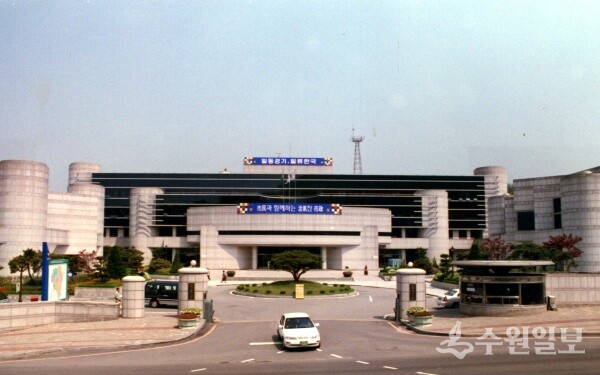
[News S=Reporter Kim Jin-ho] Namyangju City, which possesses the largest municipal area in Gyeonggi Province and a population of 740,000, has emerged as a full-fledged 'megacity' and now faces a critical juncture ahead of the next mayoral election.
As incumbent Mayor Ju Gwang-deok (People Power Party) and challenger Choi Hyun-deok (Democratic Party) engage in fierce competition, the dominant issue of this election is unquestionably 'substantive economic strategy to address citizens' livelihood concerns.'
Namyangju City has driven urban growth based on its vast territory, yet carries the long-standing burden of overlapping regulations such as water source protection zones.
In particular, residents of Jo-an and Hwado areas continue to experience significant economic constraints. Consequently, residents are calling for candidates to build upon existing deregulation efforts while taking an additional step forward—institutionalizing innovative economic revitalization measures such as introducing a 'regulatory sandbox' that would apply regulatory exemptions to specific industries.
Most critically, residents send both hope and sharp criticism regarding Namyangju's corporate recruitment strategy for Wangsuk New City, the key to completing economic self-sufficiency. Data centers, currently the subject of active recruitment discussions, possess high value as digital infrastructure but demonstrate clear limitations in actual job creation within the region.
Previously, Gyeonggi Province consented to selling land at a construction headquarters site in Suwon under the pretext of building a 'Samsung Electronics Research Institute' through private contract. However, critics note the outcome differed.
Samsung Electronics Co., Ltd. transferred the site to Samsung SDS Co., Ltd., contrary to original commitments, and what was established at that location was not a bustling research institute but Samsung SDS Co., Ltd.'s 'Suwon Data Center.' This case, where the promise to residents of job creation faded away, is interpreted as suggesting that corporate recruitment must focus on 'substance' rather than 'nomenclature.'
Accordingly, Namyangju civil society has stated: "We do not want merely to be a bedroom city but desire to be a confident economic hub of northeastern Gyeonggi," and further demanded that "next mayoral candidates must answer with concrete policies on how to equip Namyangju with a 'substantive employment engine' that will shoulder responsibility for the city's next 100 years."